
What are LinkedIn Thought Leader Ads?
By Brendan Gahan · Updated
Definition
LinkedIn Thought Leader Ads are paid ads made from a person's own LinkedIn post, which a brand promotes through Campaign Manager after the author approves. The post keeps the author's name, photo and words, and since 2024 brands can sponsor posts from any member, not just their employees.
How do Thought Leader Ads work?
With a Thought Leader Ad, the ad creative is the person's post. The brand adds no headline, intro text or call-to-action button. Any edits have to come from the author.
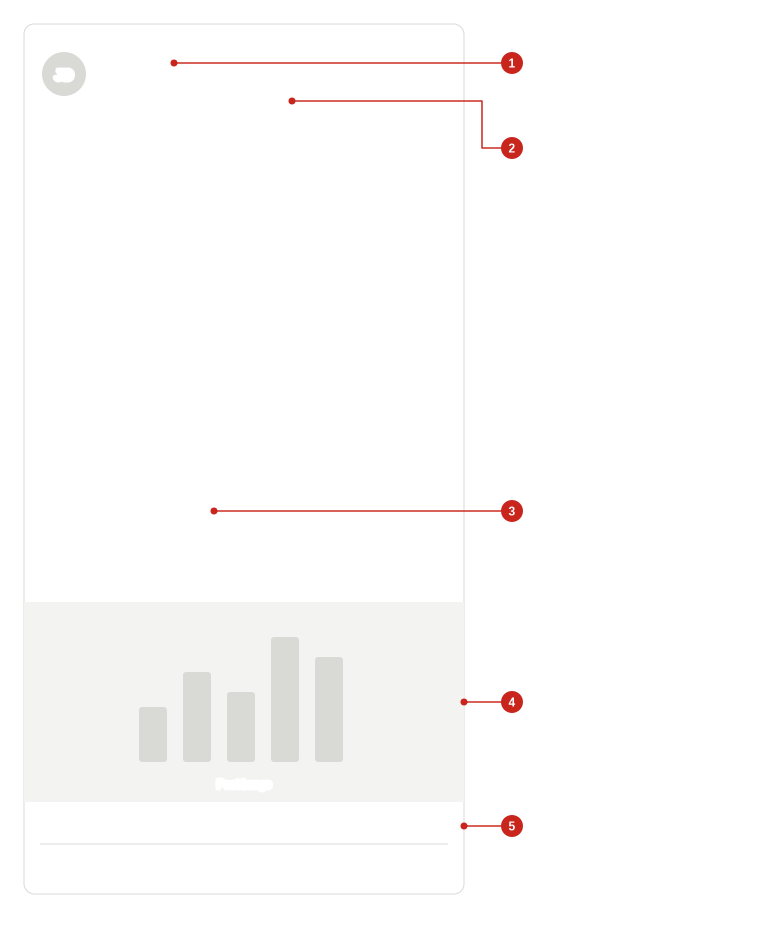
- Find the post. In Campaign Manager, a brand searches for a member or pastes a post URL. Discovery covers 1st, 2nd and 3rd-degree connections, and LinkedIn lists sponsorship opportunities in a Partnerships tab.
- Request permission. The author gets a notification to approve or deny the request.
- Target and run. The approved post runs as an ad to the audience the brand picks, under the Brand Awareness or Engagement objective. Those are the only two.
Text, single-image and video posts qualify. Posts with multiple images, polls or documents don't. The format launched in a limited form in 2023 for employee posts, and in March 2024 LinkedIn opened it to any member's posts.
What does a Thought Leader Ad look like in practice?
A cybersecurity company partners with a former CISO who posts about security leadership. She writes about a breach-response mistake she sees often and mentions how the company's tool helps. She approves the sponsorship, and the company runs it to security leaders at its target accounts.
Why do Thought Leader Ads matter for B2B marketers?
I've worked with creators since 2006, and this is the format that made LinkedIn creator marketing work at scale. You get a creator's credibility and LinkedIn's targeting in the same unit. I don't know another platform where you can put a trusted person's post in front of a specific job title, seniority and company list.
The numbers back it up.
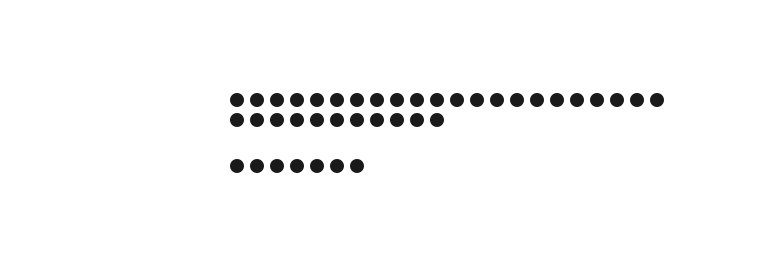
What LinkedIn reports
Outside data agrees. Kiin found half of LinkedIn advertisers ran Thought Leader Ads in September 2026, up from 39% in January. ZenABM found 327 landing-page clicks per $1,000 vs 71 for single-image ads.
If you want help running them, see LinkedIn Thought Leader Ads management.
Are Thought Leader Ads still worth it?
Some studies say they're getting pricier. Kiin's 2026 panel of LinkedIn advertisers found that since January, Thought Leader Ads cost 31% more per website click and 38% more per 1,000 impressions in the same accounts, while single-image ads stayed flat. Half of advertisers now run them, up from 39% in January. More brands are bidding on the same format.
I get why people worry. But I don't buy it as a blanket statement, and our numbers don't back it up when the ads are optimized regularly.
Start with what you pay for reach. Across five of our programs, CPMs ranged from $1.36 to $95.62. The average was about $26, roughly 30% below LinkedIn's own published $37.44 CPM for single-image ads. The median was about $4. The high end was a conversion-focused program, where you pay more for each impression and less for each result.
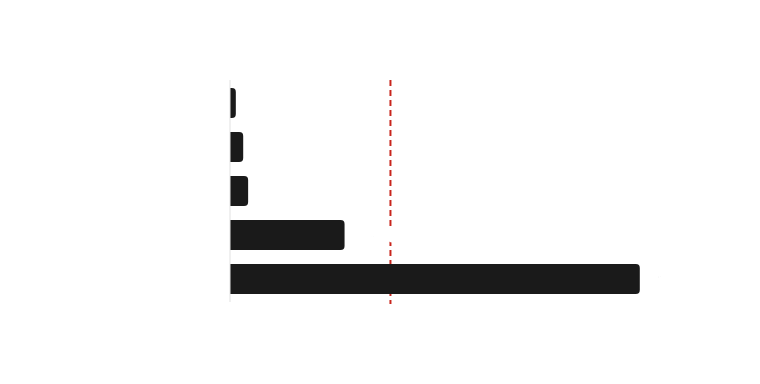
Clicks tell a similar story. Here's how our programs compare with what LinkedIn publishes for standard single-image ads.
LinkedIn's benchmarks vs our programs
| LinkedIn benchmark (single-image ads) | Our Thought Leader Ads | |
|---|---|---|
| CPM | $37.44 | $4.23 median of 5 programs |
| Cost per click | $6.31 | $4.48 average of 3 programs |
LinkedIn figures from its global ad benchmarks. Our cost per click counts only landing-page clicks, a stricter measure than all clicks.
Then look at how costs moved over time. Kiin compared prices inside the same accounts, so here's the same view from one of our longest-running programs, six months of Thought Leader Ads from July to December 2025:
- Cost per click: down 53%, from $3.04 to $1.42.
- Cost per acquisition: down 47%, from $531 to $283.
- Click-through rate: nearly doubled, from 3.2% to 6.1%.
- CPM: down about 10%, from $97 to $87.
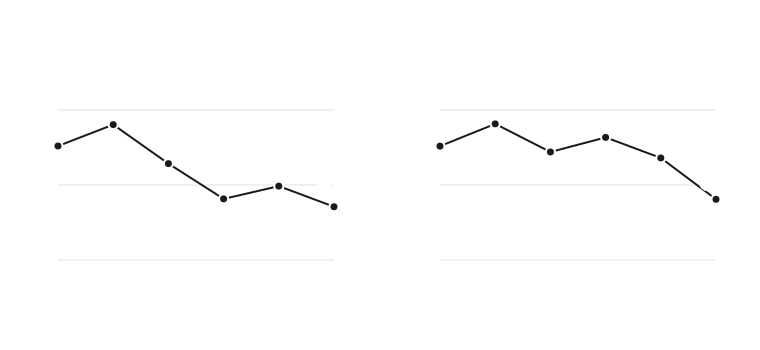
Spend more than tripled over the same stretch. Costs still fell. What made the difference was regular optimization. We tested personas, formats and calls to action, then moved budget to what worked.
It holds across brands too. In four programs, each measured against that brand's own baseline:
- Cost per lead: 50% lower than for buyers who didn't see the campaign.
- Cost per acquisition: 54% lower than the prior-quarter average.
- CPM: 84% lower than the brand's previous LinkedIn ads.
- Cost per demo: 88% lower than standard sponsored content.
That's a range of 50% to 88% better, an average of about 69%.
Two caveats. Kiin's data covers 2026 and our six-month program ran in 2025, so it isn't a perfect match. And all of these are LinkedIn's platform-attributed numbers, not proven causation.
What have I learned running Thought Leader Ads?
My team has run Thought Leader Ad programs for software, enterprise tech and consumer brands. These are the things I'd tell any brand before its first campaign. The numbers below come from those programs, anonymized.
- Follower count doesn't predict results. We see this again and again. In one campaign across 16 sponsored posts, bigger followings went with more expensive purchases, not cheaper ones. The smallest creator, at about 3,300 followers, delivered the cheapest purchase of the campaign. In another, creators picked for audience fit beat big-follower creators on cost per engagement by 2.3x. Pick creators on who follows them, not how many.
- Pick the objective for the result you want. In one program, engagement ad sets drove landing-page clicks at $2.00 each, against $20.35 for awareness. In another, awareness produced attributed purchases at $98 each, against $326 for engagement, mostly through view-through. Clicks and conversions don't always move together. Judge each objective on the result you actually need.
- Images for clicks, video for reach. In two programs, single-image posts drove the cheapest landing-page clicks. In one, that was $1.86 per click, against $4.11 for text-only posts. Video costs more per click but buys attention cheaply. In one program, video ran at a $1.36 CPM and held viewers for 17 seconds on average. ZenABM's 2026 benchmark for Thought Leader Ads is about 6.6 seconds.
- Measure view-through, not just clicks. Most attributed conversions happen within seven days of someone seeing a post, with no click. Match LinkedIn conversions to your CRM from day one.
- Who says it beats how it's framed. We tested outcome-led vs time-saved framing and several hook types. None clearly won. Creator and audience did.
- Refresh the post, not the audience. In one program, each post reached only about 4% of the available audience. We refresh creative around every 45 to 60 days.
Should you run Thought Leader Ads?
LinkedIn today feels a lot like YouTube around 2010. The audience is there, and most brands still haven't figured out how to work with the people their buyers actually follow. Thought Leader Ads are a big part of the answer.
They aren't magic, and they aren't always cheap. But a post from someone your buyer already trusts, shown to exactly the people you need to reach, is hard to beat. Organic is the spark. Paid is the gasoline. Pick creators for who follows them. Optimize every month. Judge the ads on results, not clicks.
Frequently asked questions
Can you run Thought Leader Ads with posts from people who don't work at your company?
Yes. Since March 2024, brands can sponsor posts from any LinkedIn member, as long as the author approves the request.
Do I need permission to run a Thought Leader Ad?
Yes. The author gets a request in LinkedIn and must approve it before the post can run as an ad.
What kinds of posts can be Thought Leader Ads?
Text, single-image and video posts can be promoted. LinkedIn says posts with multiple images, polls or documents can't.
Which objective should I use for Thought Leader Ads?
You can choose Brand Awareness or Engagement. In our campaigns, Engagement drove far cheaper site visits, while Brand Awareness produced cheaper view-through conversions. Pick the one that matches the result you need, and judge it on that result.
Does the creator get paid when a brand sponsors their post?
Not by LinkedIn. Any payment to an outside creator is agreed between the brand and the creator.
Related terms
Go deeper
See every term in the LinkedIn and B2B creator marketing glossary.
About the author
Brendan Gahan has worked in creator marketing since 2006. He is the co-founder and CEO of Creator Authority, the first LinkedIn influencer marketing agency, now part of Billion Dollar Boy. Creator Authority is a member of the LinkedIn Marketing Partner Program. He has been quoted in the Financial Times, Digiday, Ad Age, The Wall Street Journal, Business Insider and Tubefilter. He was named one of LinkedIn’s Top 10 Voices in the Creator Economy in 2022. More about Brendan.
Sources
- LinkedIn: Thought Leader Ads product page
- LinkedIn: Thought Leader Ads specs
- LinkedIn announcement via CMSWire: Thought Leader Ads expand to any member (March 13, 2024)
- CNBC via NBC Washington: LinkedIn betting it can take on TikTok and Instagram in influencer marketing (2024)
- Social Media Today: LinkedIn simplifies Thought Leader Ads discovery in Campaign Manager
- Social Media Today: LinkedIn enables brands to sponsor any organic post (2024)
- Mediaweek: LinkedIn on Thought Leader Ad adoption and click-through rates (2026)
- eMarketer: LinkedIn's gains in creator ad spending (November 2026)
- LinkedIn: Reaching audiences at scale with creators and video (2026)
- Kiin: 150 LinkedIn Ads statistics for 2026
- ZenABM: LinkedIn Thought Leader Ads benchmarks 2026
- LinkedIn: Ads best practices hub, global benchmarks